A message regarding potential network disruption for patients with Aetna insurance.
Blog Post
How to Remove Ticks from the Skin
June 10, 2026
By Mitchell Rotenberry, Pharmacy Resident, BHMC-Little Rock
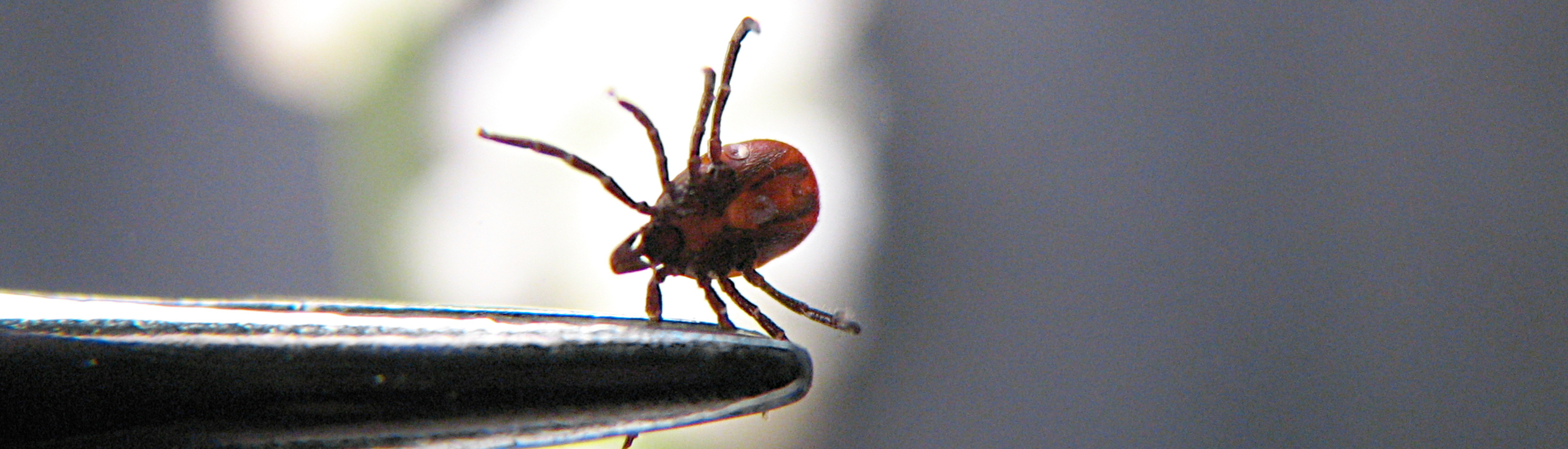
Despite doing preventative measures, ticks can occasionally bypass defenses and attach themselves to the skin. Whenever you come in from the outdoors, you should always check yourself and your children for ticks. The risk of disease transmission is very low if the tick is removed within the first 24 hours.
If you do find a tick attached to your skin, you can remove it at home, but the removal method matters. There are many examples of how to remove a tick online. However, these methods are often ineffective and may not remove the tick completely.
Some of the incorrect methods include using:
- A lit match
- Nail polish
- Isopropyl alcohol
- Petroleum jelly
These methods can agitate the tick and make it more likely to cause infection. It is important to follow the proper steps to safely remove a tick.
1) Grasp the tick as close to the skin as possible. There are many tools you can find at a pharmacy, but a clean pair of tweezers works just as well.
2) Pull straight up with steady pressure. Do not twist or wiggle it, as this can cause the mouthparts to break off and stay in your skin. If there is anything remaining, you can use the tweezers to remove it, but your body will also naturally push them out.
3) Clean the area. Wash the bite and your hands thoroughly with soap and water, rubbing alcohol, or hand sanitizer
4) Dispose of the tick. You can flush the tick down the toilet or save it in a sealed bag if you need to show a doctor.
Once the tick is removed, you enter the “watch and wait” period for about 30 days. If youexperience symptoms such as a fever, chills, unexplained body aches, severe fatigue, joint pain, or a rash around the bite site, you should make an appointment with your doctor or visit urgent
care.
I hope this guide helps you to have a safe and tick-free summer.
For more safety and prevention tips, visit our BHealthy blog.
