A message regarding potential network disruption for patients with Aetna insurance.
Blog Post
What to Know About Tick Bites
June 11, 2026
By Mitchell Rotenberry, Pharmacy Resident, BHMC-Little Rock
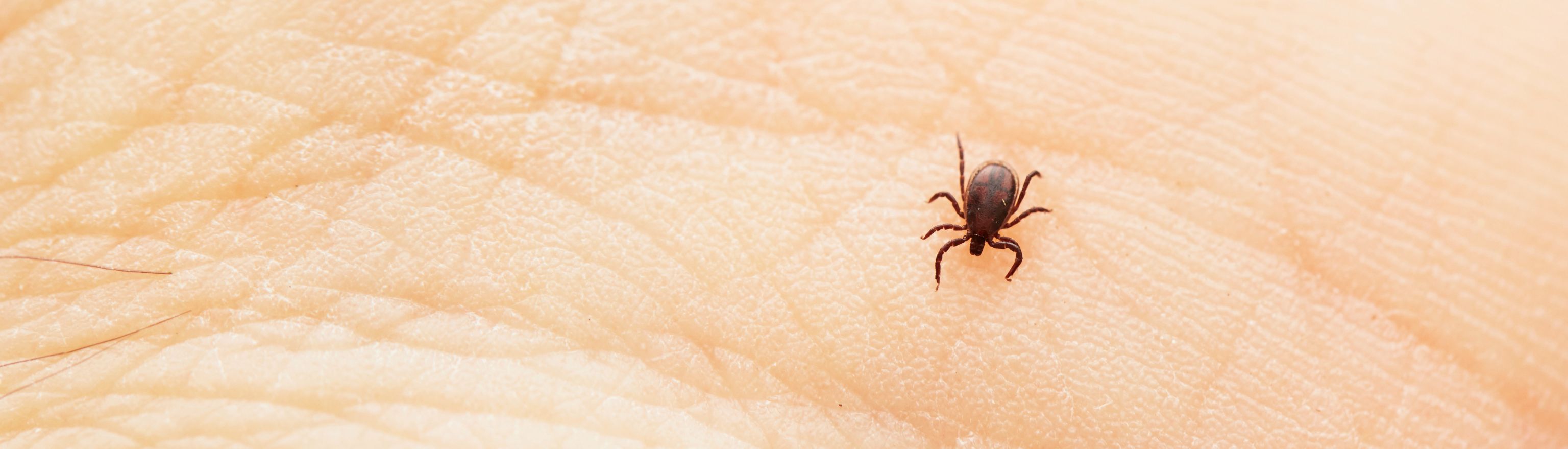
Now that summer is in full swing, as the heat cranks up, so does insect activity. A particularly pesky insect is the tick, and as many of us enjoy the great outdoors — whether on a weekend camping trip, an afternoon hike, or while tending a garden — it’s important to be vigilant about
these tiny hitchhikers.
As someone who enjoys the outdoors, I want to make sure everyone knows how to handle these tiny hitchhikers with the proper prevention and removal techniques.
Ticks can carry a variety of illnesses that can trigger sudden high fevers, chills, fatigue, and muscle aches. One such illness is Lyme disease that presents as an expanding “bull’s-eye” rash and joint pain. Other diseases include Rocky Mountain spotted fever, which is marked by a distinct speckled rash that starts on the wrists and ankles, and Alpha-gal syndrome from the lone star tick that can result in a severe life-long allergy to red meat and dairy.
Because fevers and body aches are often associated with the seasonal winter illnesses, symptoms like these are often ignored. If you feel under the weather this summer, always check for tick bites, as many of these infections are treatable with oral antibiotics when caught early.
For these bugs, the best defense is a good offense. The easiest way to deal with a tick bite is to avoid getting one in the first place. When searching for the right insect repellant, keep an eye out for these active ingredients:
• DEET (20% to 30%): This is the gold standard as it will confuse ticks so they can't detect you.
• Picaridin: An alternative to DEET. It is less greasy, has very little odor, and will not stain your clothing.
• Lemon eucalyptus oil: If you prefer a more natural solution, this is a plant-based option that is still highly effective. Make sure you find this in a spray bottle, not the essential oil.
• Permethrin (0.5%): You can use this to pre-treat your clothes so that you have a built-in repellant. Never apply this directly to your skin.
If you plan to use any of these products alongside sunscreen, always apply your sunscreen first. Let it dry for a few minutes and then apply your tick repellant.
For more information about safety and prevention visit our BHealthy blog.
