A message regarding potential network disruption for patients with Aetna insurance.
Postpartum and Newborn Care
How to Choose and Safely Install a Newborn Car Seat in Car
July 28, 2021
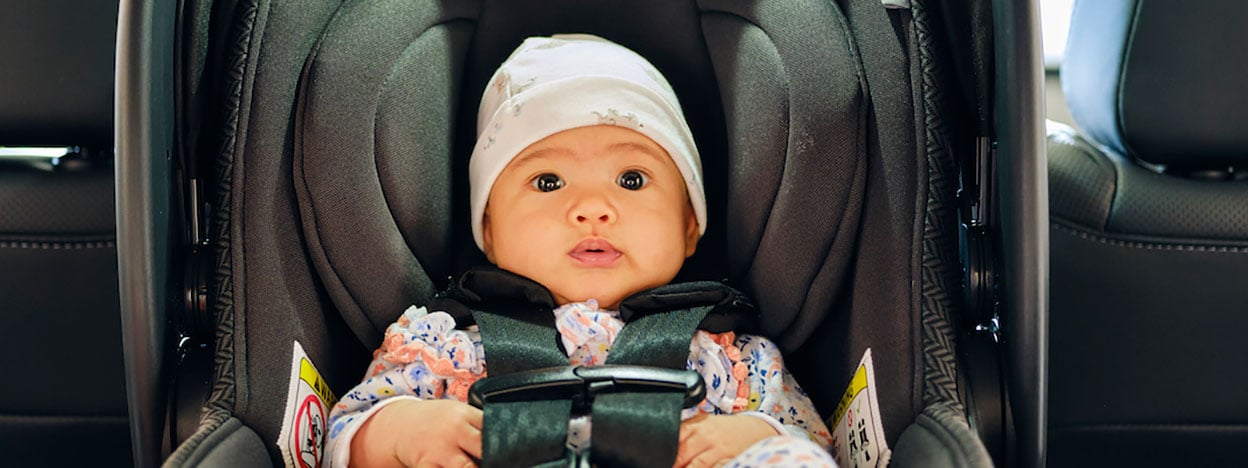
The day you bring your baby home from the hospital is one of the most wonderful and exciting days of your life.
But it can also be one of the most frustrating if you’re struggling to properly secure the infant seat. From figuring out how to anchor the base to choosing the right side or the middle seat, none of it is easy the first time you try it–especially if you’re having to contend with more than one child seat.
To keep you from panicking in the parking lot, the certified child passenger safety technicians at Baptist Health-Fort Smith have put together a quick video of tips to help you install your child’s seat before you come to the hospital. Technicians are always available to help parents with car seat installation upon discharge.
Choosing a Car Seat
The first step is choosing an infant safety seat. Children should be in a rear-facing seat from birth up to at least age 2, or until they reach the upper weight or height limit of that seat, according to the Centers for Disease Control and Prevention. There are several types of seats, including rear-facing, forward-facing and booster seats. Some models will transition with the child as they grow. In Arkansas, children under the age of 6 or less than 60 pounds must be restrained in a child safety seat.
When preparing for baby’s arrival, selecting a newborn car seat in car should be one of your first priorities. It’s very important to read the product specifications when choosing a car seat so that you can find one that will work for you and your family. Instructions are typically provided on the safety seat itself, but you can also refer to the car seat or booster seat owner’s manual to check installation guidelines and the height and weight limits.
Never buy a used car seat. A used car seat is unsafe if it has been in a crash or if it is missing parts, labels, or instructions. A car seat is also unsafe if the manufacturer has issued a safety recall. By purchasing a new car seat, or re-using a sibling’s car seat (if it’s not been more than five years) or borrowing one from a trusted friend or family member, you’re ensuring your baby will be safe when traveling in a vehicle. This helps you feel confident about the safety of your newborn car seat in car from the very first ride home.
Another thing to avoid is aftermarket accessories. Sure, those decorative strap covers may look cute, but they haven’t been crash tested with your baby’s seat and should not be used. If your infant needs extra head support, a small rolled blanket may be placed around the infant’s head. For extra peace of mind, always double-check that anything added does not interfere with the proper function of your newborn car seat in car.
Installing Your Car Seat
When installing your car seat, you should not be able to move the seat more than 1 inch at the belt path. Ensure the car seat is level. Most seats have a label on the side of the car seat that explains how to ensure your seat is level and what angle the seat should be at.
Getting the Right Fit
Once you’ve installed your child’s safety seat in the vehicle according to the instructions in the owner’s manual, you need to know how to correctly fit your baby in their seat. Your child should be dressed in one layer of clothing. No large coats or anything that would keep the safety seat’s straps from safely securing your child should be worn. A blanket can be placed over your baby’s legs later if it is cold out.
The shoulder straps of the safety seat must be at or below the infant’s shoulders for a rear-facing car seat. The shoulder harness should be snug and you should not be able to pinch any slack on the strap. The chest clip should be at armpit level. If the chest clip is over the belly or too high, it could result in an injury if the vehicle was in an accident. These safety practices are essential each time you place your newborn car seat in car, whether for a short trip or a longer drive.
Using a newborn car seat in car correctly can dramatically reduce the risk of injury in the event of an accident. Make sure to practice installing the seat ahead of time so you're not overwhelmed when it’s time to bring your baby home.
To learn more about caring for your infant and yourself postpartum, read more articles from our BHealthy Blog.
