A message regarding potential network disruption for patients with Aetna insurance.
Treatment and Wellbeing
Difference Between Bacteria and Virus: Key Facts You Should Know
June 22, 2017
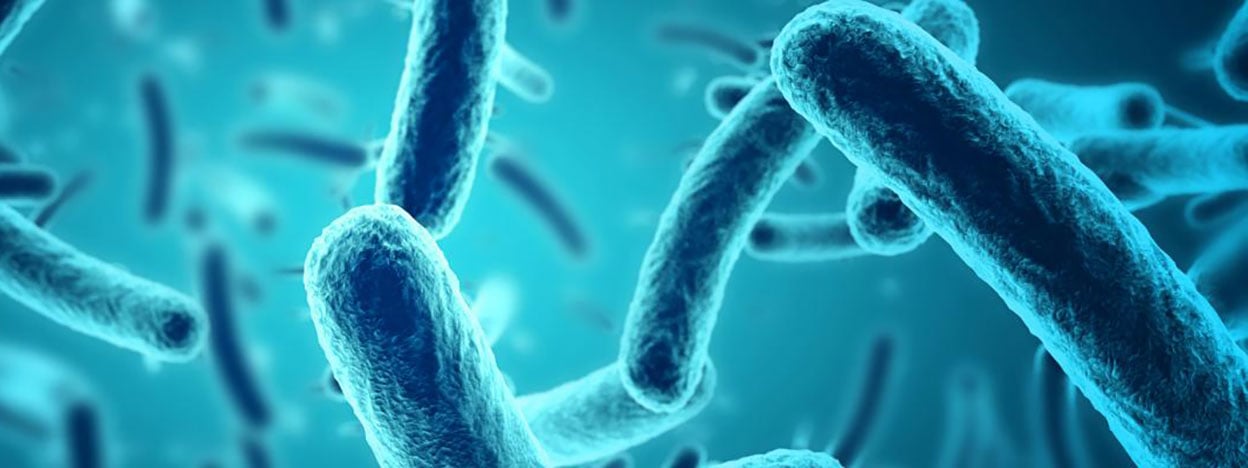
Bacterial and viral infections have many things in common. Both types of infections are caused by microbes (bacteria and viruses) and can be spread by things such as coughing and sneezing, contact with infected people, surfaces, food, water, pets, livestock, or insects like fleas and ticks. Understanding the difference between bacteria and viruses can help you know how these infections spread and how they are treated.
Bacterial and viral infections can both cause similar symptoms, such as coughing, sneezing, fever, inflammation, vomiting, diarrhea, tiredness and cramping. All of these are ways the immune system tries to get rid of harmful organisms.
But bacterial and viral infections are not the same in many important ways. These differences mostly come from the organism’s structure and how they respond to medicines. Learning the difference between bacteria and viruses is important for getting the right treatment.
Microscopic Difference Between Bacteria and Virus
Bacteria and viruses are too small to see without a high-powered microscope, but they have many differences in their structure. Bacteria are more complex. They can reproduce on their own and have been around for about 3.5 billion years. They can live in many environments, from extreme heat and cold to radioactive waste and the human body.
Most bacteria are harmless and some are even helpful – they can digest food, destroy harmful microbes, fight cancer cells and give the body important nutrients. Less than one percent of bacteria cause disease in people. This is part of the difference between bacteria and viruses, because viruses work very differently.
Viruses are much smaller. The biggest viruses are still smaller than the smallest bacteria. Unlike bacteria, viruses cannot survive without a host. They can only reproduce by attaching to cells and reprogramming them to make new viruses until the cells burst and die. Some viruses even turn normal cells into cancerous cells.
Also unlike bacteria, most viruses do cause disease and they target specific cells. For example, certain viruses attack cells in the liver, respiratory system, or blood. In some cases, viruses attack bacteria. This targeting is another example of the difference between bacteria and virus.
Diagnosing Bacterial and Viral Infections
See a doctor if you think you have a bacterial or viral infection. The exception is a common cold, which is usually mild.
Sometimes, it’s hard to know the cause because illnesses like pneumonia, meningitis and diarrhea can come from either bacteria or viruses. But your doctor can often figure it out by listening to your medical history, doing an exam, or ordering blood, urine, or tissue tests. In rare cases, a biopsy is needed.
Treatment of Bacterial and Viral Infections
The difference between bacteria and viruses also applies to treatment. The discovery of antibiotics for bacterial infections was a huge medical breakthrough. But bacteria are adaptable and overusing antibiotics can make patients antibiotic resistant, which is a big problem, especially in hospitals.
Antibiotics don’t work on viruses. Many medical experts recommend avoiding antibiotics unless there’s clear proof of a bacterial infection.
What Can I Do to Prevent Antimicrobial Resistance?
The best way to help prevent antimicrobial resistance is to learn the ABCs of antibiotics:
- Ask: Ask your health care provider, “Are these antibiotics necessary?”
- Bacteria: Antibiotics do not kill viruses – only bacteria. This fact is part of the difference between bacteria and virus that affects treatment choices.
- Complete the course: Take all antibiotics exactly as prescribed, even if you start feeling better.
Don’t pressure your provider. You don’t need antibiotics for colds or flu, most coughs or bronchitis, sore throats not caused by strep throat, runny noses, or most earaches.
