A message regarding potential network disruption for patients with Aetna insurance.
Safety and Prevention
What You Should Know About Systemic Poison Ivy Reactions
January 30, 2017
By David Gerson, DO, with Sherwood Family Medical Clinic
It’s finally the time of year when you can truly put on shorts and enjoy the outdoors. With that sunshine, we have to remember our sunscreen and – for some of us – remember the poison ivy. If you’re especially sensitive, that encounter could lead to a more serious condition known as systemic poison ivy, which affects more than just your skin.
What is poison ivy?
Poison ivy is a plant that can cause an itchy, red skin rash. When people have this rash, they often say, “I got poison ivy.”
The same substance that causes the poison ivy rash is also found in poison oak, poison sumac, the ginkgo fruit and mango peels.
It may sound funny today, but poison ivy was once considered a decorative plant. Thomas Jefferson actually had it planted all around the White House at one time.
How did I get poison ivy?
You might have gotten poison ivy if you:
- Touched a poison ivy plant
- Touched something that had the plant’s oils on it (such as clothing, animal fur, or garden tools)
- Were near where poison ivy plants were being burned. This can be particularly dangerous, especially around anyone who has chronic respiratory problems to begin with
What does poison ivy look like?
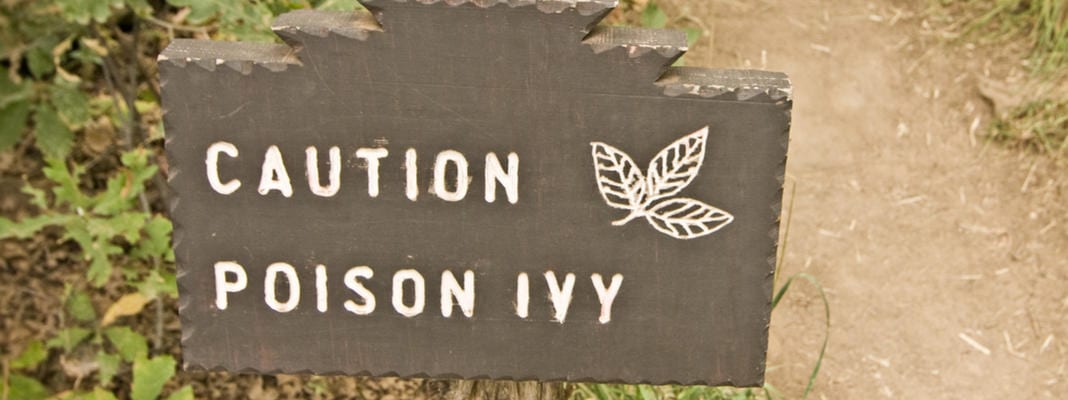
Poison ivy and poison oak have three leaves coming off a single stem. That’s why there is a saying, “leaves of three, let them be.” The leaves start out green, but they can turn red or brown. Even dead plants can cause the rash. Outdoor enthusiasts can get the rash from using camping and hunting gear from months before that may not have been completely cleaned.
What will happen to my rash?
Your rash should go away within 1 to 3 weeks, but it might form blisters before it does. Blisters are little bubbles of skin that are filled with fluid. They can show up in different places at different times. But that does not mean that the rash is spreading. Touching the blisters or the fluid inside the blisters will not spread the rash.
If symptoms appear on areas of the body that never came into contact with the plant, that may be a sign of systemic poison ivy involvement.
What is systemic poison ivy?
Systemic poison ivy refers to a severe allergic reaction that can happen if the plant’s oil gets into your bloodstream or is inhaled, like from smoke when the plant is burned. When this occurs, you might notice a rash showing up in new spots far from the original contact area, or other symptoms like swelling or feeling unwell.
What can I do to relieve the itching?
There is no one way to treat poison ivy rashes. Every doctor probably has their own regimen. Dr. Gerson developed his after suffering a severe systemic reaction and spending my healing time researching the best methods.
One of the big keys is getting aggressive treatment in the first four days of symptoms. After four days there is a higher risk of the rash becoming systemic and the patient will develop symptoms in places that never came into contact with the plant.
He recommends short and long-acting antihistamines, twice daily antacid such as Pepcid or Zantac for their antihistamine properties and to protect the stomach from all the medications. He also suggests topical Caladryl be applied several times daily and systemic steroids by pill or sometimes injections.
Patients are instructed to never wear the same clothes two days in a row and change bed sheets daily. This is especially important for those already experiencing systemic poison ivy symptoms, as reinfection from contaminated fabrics can prolong recovery.
Two products that you can use if you think you might’ve been exposed or very early on with symptoms are Iverest and Xanfel. These are scrubs that are able to deactivate the toxic oils from the plant that cause the problem to begin with. They are expensive, so it’s best to use them as early as possible. Once the rash goes systemic, they are of very little use.
If you believe your symptoms are escalating, you may be dealing with systemic poison ivy and should consult a physician immediately.
Should I see a doctor or nurse?
You should see your doctor or nurse if:
- Your rash is severe
- Most of your body is affected
- Your face or genitals are affected
- You have a lot of swelling
- You are not sure that you have poison ivy
- Your rash oozes pus or gives other signs of being infected
Some creams or lotions can make your rash worse. The products listed below sometimes cause a reaction that makes your skin more itchy or irritated:
- Antihistamine creams or lotions
- Numbing products that have benzocaine
- Antibiotic ointments that have neomycin or bacitracin
These may further irritate the skin, especially in cases of systemic poison ivy, where the body's reaction is already heightened.
How do I keep from getting poison ivy again?
- Stay away from poison ivy, even if the plant is dead
- Wear long sleeves and pants when working near poison ivy and wash your clothes right away when you are done
- Wear thick vinyl gloves when doing yard work (latex and rubber gloves do not always protect against poison ivy)
- Gently wash with soap and water if you do touch poison ivy
- Avoid burning poison ivy plants
Avoiding exposure is the best way to prevent systemic poison ivy, which can be far more difficult to treat than a localized rash.
Watch Dr. Gerson on KATV:
