A message regarding potential network disruption for patients with Aetna insurance.
Eat Well
Mastering Carb Count for Better Diabetes Management
November 17, 2017
By Regina McCormick, Clinical Dietitian, Baptist Health Medical Center-Heber Springs and Ashley N. Smith, Clinical Dietitian, Baptist Health Medical Center-Stuttgart
Living with diabetes can be a challenge when it comes to making the right dietary choices and sometimes knowing the amount of carbohydrates needed for meals and snacks can get confusing. Keeping an accurate carb count can help you stay on track with managing your blood sugar.
Carbohydrate counting is a method of calculating grams of carbohydrates consumed at meals and snacks. It’s beneficial because foods that contain carbohydrates will have a greater effect on blood sugar than foods without them. Your carb count is especially important if you want to avoid sharp spikes or drops in glucose levels throughout the day.
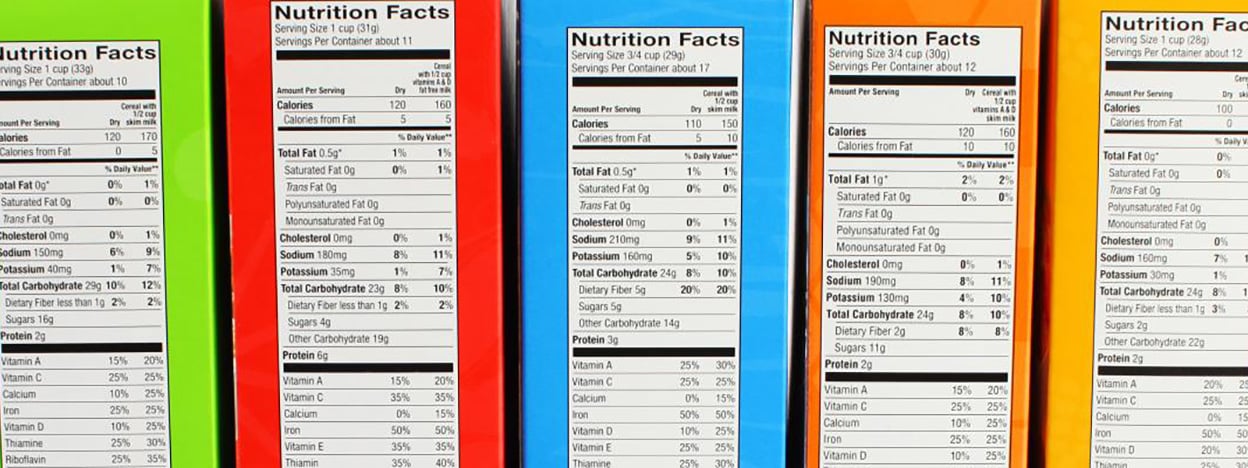
When reading a food label, start by checking the serving size. If you plan on eating more than one serving, be sure to multiply everything – including the carbohydrates – accordingly. For instance, if one serving equals 15 grams of carbs and you eat two servings, your carb count would be 30 grams.
Knowing standard portion sizes can also help simplify your carb count. Examples include one slice of bread (15g), half of a hamburger bun, 1/2 cup of beans or corn and 1/3 cup of rice. For fruits, 17 grapes or 1/2 cup of canned fruit are each one carbohydrate serving.
Now that you understand the basics of carb count, you may be wondering how many carbs you need. While individual needs vary, a good starting point is three carb choices per meal, or around 45 grams of carbohydrates. A balanced breakfast could include one slice of whole wheat toast, a small apple and 1/2 cup of cooked cereal.
Carbohydrate counting is a useful tool that allows you to enjoy a wide range of foods while maintaining control over your blood sugar. It’s all about being informed and staying consistent.
