A message regarding potential network disruption for patients with Aetna insurance.
Eat Well, Treatment and Wellbeing
Do You Need Carbohydrates? Why They’re Essential for Your Health
February 6, 2024
By Kristen Shores, MS, RDN, LD and Veronica Click, RDN, LD with Baptist Health Weight and Nutrition Center.
Do You Really Need to Cut Carbs? Let’s Find Out
Have you heard that you should cut carbohydrates, or “carbs,” because people say they are unhealthy? Do you find it hard to cut an entire food group from your diet? STOP HERE and think – do you need carbohydrates? Let’s check with a registered dietitian.
Registered dietitians give reliable nutrition advice and use science-based, up-to-date information. They can clear up confusion about many topics, including do you need carbohydrates in a balanced diet.
Why Do You Need Carbohydrates?
You need carbohydrates because they are the main source of energy for the brain. They are one of the three main macronutrients, along with fats and protein and need to be eaten in larger amounts. During digestion, carbs are broken into glucose, which the body’s cells use for energy. They are found in many foods and are essential for the brain, nervous system and muscles. If you’ve ever wondered, do you need carbohydrates for energy – the answer is yes.
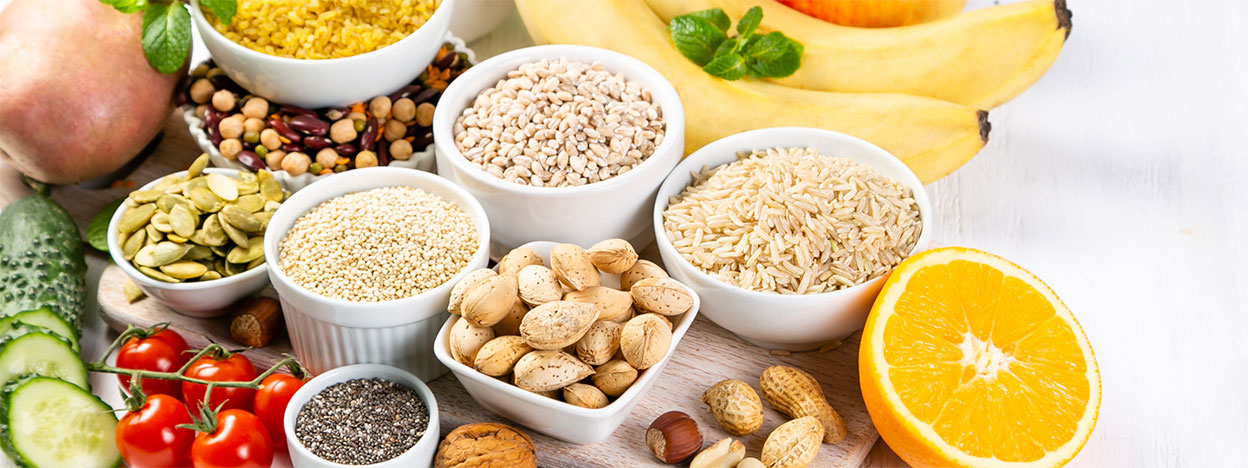
Examples of healthy carbohydrate choices:
- Whole grains like brown rice, oatmeal, quinoa and bread
- Starchy vegetables like potatoes, corn and sweet potatoes
- Beans and legumes like black beans and chickpeas
- Whole fruits
- Dairy products
How Many Carbs Do You Need?
Carbs should make up 45–60% of your daily calories. Eating a mix of carb sources, especially high-fiber ones, supports healthy digestion and long-lasting energy. So, if you’re asking yourself, “do you need carbohydrates at each meal?” – yes, pair them with protein and non-starchy vegetables.
You can enjoy low-fiber carbs like white bread or candy in moderation. Pairing them with protein or fiber helps you stay full longer.
Carbohydrates and Digestion
Fruits, vegetables and whole-grain carbs provide fiber that helps your digestive system. Soluble fiber (in fruits, beans, oats) slows digestion, while insoluble fiber (in whole grains, wheat) adds bulk to stool.
Foods high in carbs, like bread, root vegetables and oats, also give you prebiotics, which feed the probiotics that keep your gut healthy. Another reason the answer to “do you need carbohydrates?” is yes.
Hydration and Immune Function
Carbs help your muscles and organs stay hydrated so they work longer without fatigue. They also support your immune system, helping you stay healthy.
Mood, Sleep and Appetite
Eating carbs helps the brain release serotonin, which boosts mood, controls hunger and improves sleep. This is one more reason the answer to “do you need carbohydrates?” is a big yes. Serotonin helps you feel satisfied after meals and prevents overeating.
Myths About Carbohydrates
Some people think low-carb diets are the best way to lose weight, or that carbs cause weight gain. This is often based on myths, not science. Cutting carbs can cause quick weight loss at first, but much of that is just water loss. Over time, the weight often comes back.
There’s also the idea that eating carbs at night causes weight gain. In reality, your body processes carbs the same way no matter the time of day. So, do you need carbohydrates even in the evening? Yes, if they fit into your balanced diet.
Side Effects of Eating Too Few Carbs
Eating too few carbs can cause:
- Low immunity
- Constipation from low fiber
- Fatigue and low energy
- Mood swings and poor focus
- Trouble sleeping
- Harder long-term weight loss
Final Thoughts
Carbs are essential for good health and should make up most of your daily energy. They fuel your brain and body and when paired with protein and fats, they create a balanced diet. So the next time you wonder, “do you need carbohydrates for a healthy lifestyle?,” the answer is yes.
